



Product Design Case Study
Product Design Case Study

Social Trading Platform
Social Trading Platform
Social Trading Platform
Your Edge in the Market
For the best viewing experience, please open this case study on a desktop device.





Overview
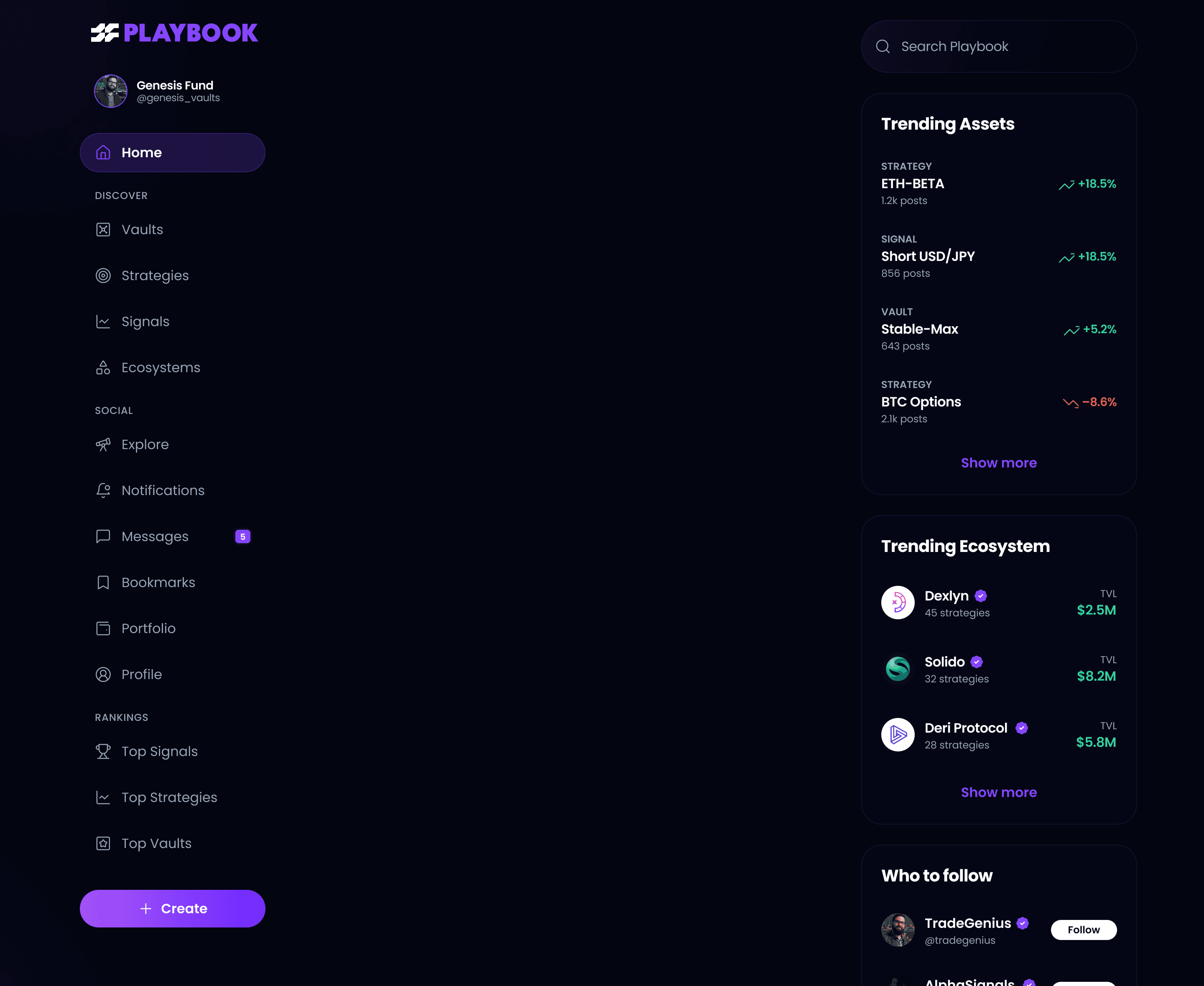
Playbook is a social trading platform designed to help users discover strategies, follow high performing traders, and make more confident financial decisions through community driven insights.
The goal was to create a modern product experience that makes trading feel less intimidating and more collaborative, while still maintaining trust, clarity, and performance focused workflows.
I led the end to end product design, created the design system, and explored a vibe coded workflow using Figma AI tools and Claude to prototype functional UI interactions.



Problem
Retail traders often face barriers that make trading stressful, confusing, and isolating.
Information Overload
Users navigate multiple tools and dashboards, making trading harder to manage and slowing decision making.
Lack of Strategy Transparency
Unclear insights into trader performance and logic reduce trust and confidence when following strategies.
Professional First Interfaces
Complex layouts and dense data are built for experts, creating friction for newer or intermediate traders.
Low Confidence in Decisions
Limited social signals and unclear performance context cause hesitation and missed opportunities.
Project Goal
The goal was to design a social trading product that makes market participation more accessible, understandable, and collaborative. The experience focuses on helping users learn from others, interpret performance signals quickly, and take action with greater clarity and confidence. At the same time, the product needed to feel fast, modern, and structured in a way that supports long term growth through a strong and reusable design foundation.
Clarity for All Skill Levels
Design simple and intuitive flows that support both beginner and intermediate traders.

Meaningful Community Engagement
Enable social discovery and learning without introducing noise or distraction.
Digestible Data Presentation
Surface performance insights and market signals in a visually clear and structured way.
Speed and Responsiveness
Ensure fast interactions and smooth navigation across modern web environments.
Action Driven Experience
Prioritize clear trading actions and reduce hesitation during decision making.
Scalable Design Foundation
Build a reusable design system that supports consistent growth and rapid feature expansion.


My Role
Product Designer
End to End Ownership
Product UX strategy
Information architecture
UI design and visual language
Design system creation
Interactive prototyping
Vibe coding experiments
Front end feasibility exploration
Timeline:
3 weeks
Scope:
Strategy discovery, trader profiles, portfolio experience
Team:
Solo product design initiative
Product Thinking
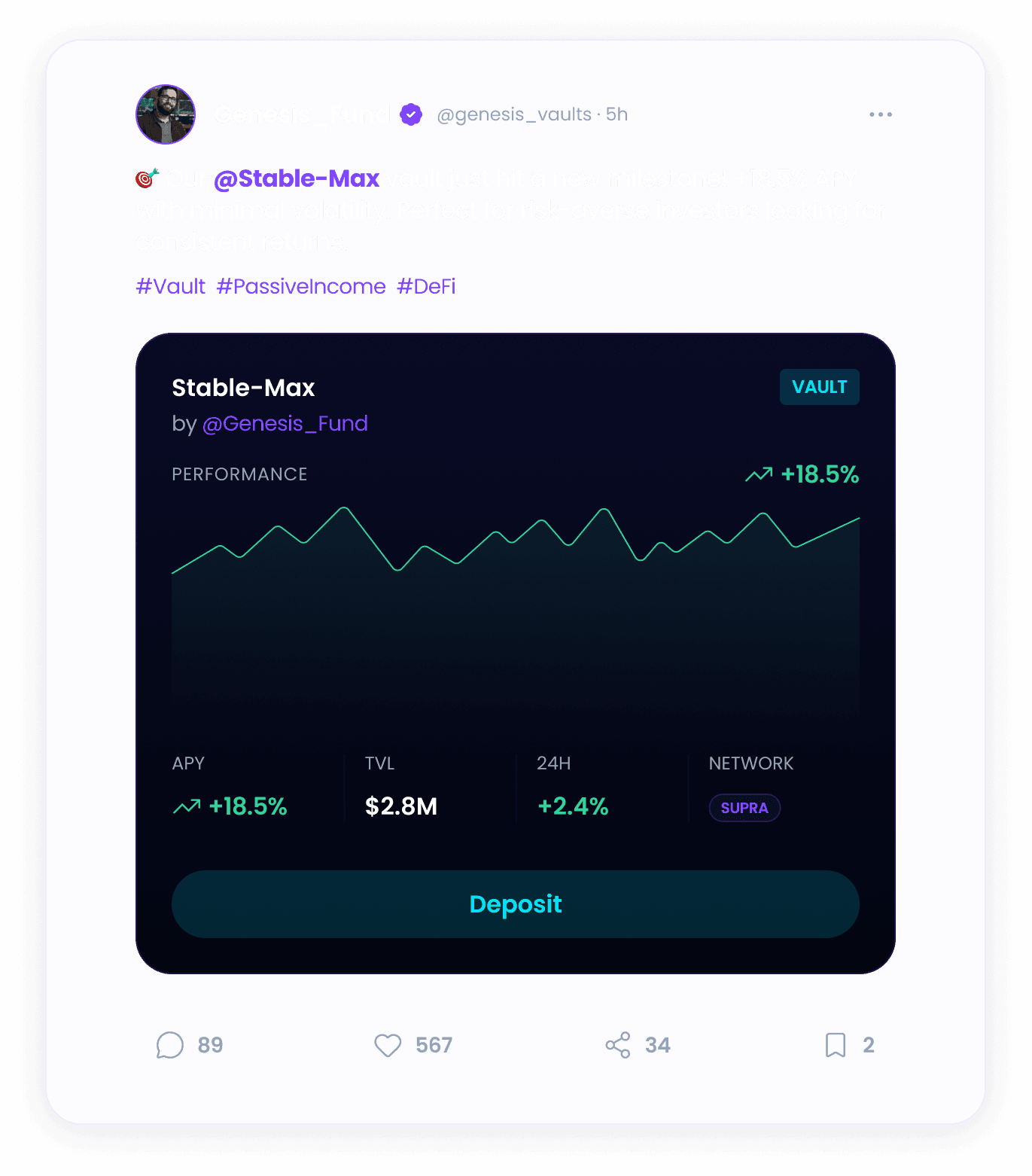
The core product idea centered around confidence through visibility.
Discover traders and strategies easily
Understand performance at a glance
Track positions and signals in real time
Engage socially without friction
Execute actions quickly
This led to three primary product pillars:
Discovery
Transparency
Execution
User Experience Strategy
Simplified Trading Context
Instead of overwhelming users with dense dashboards, the interface surfaces:
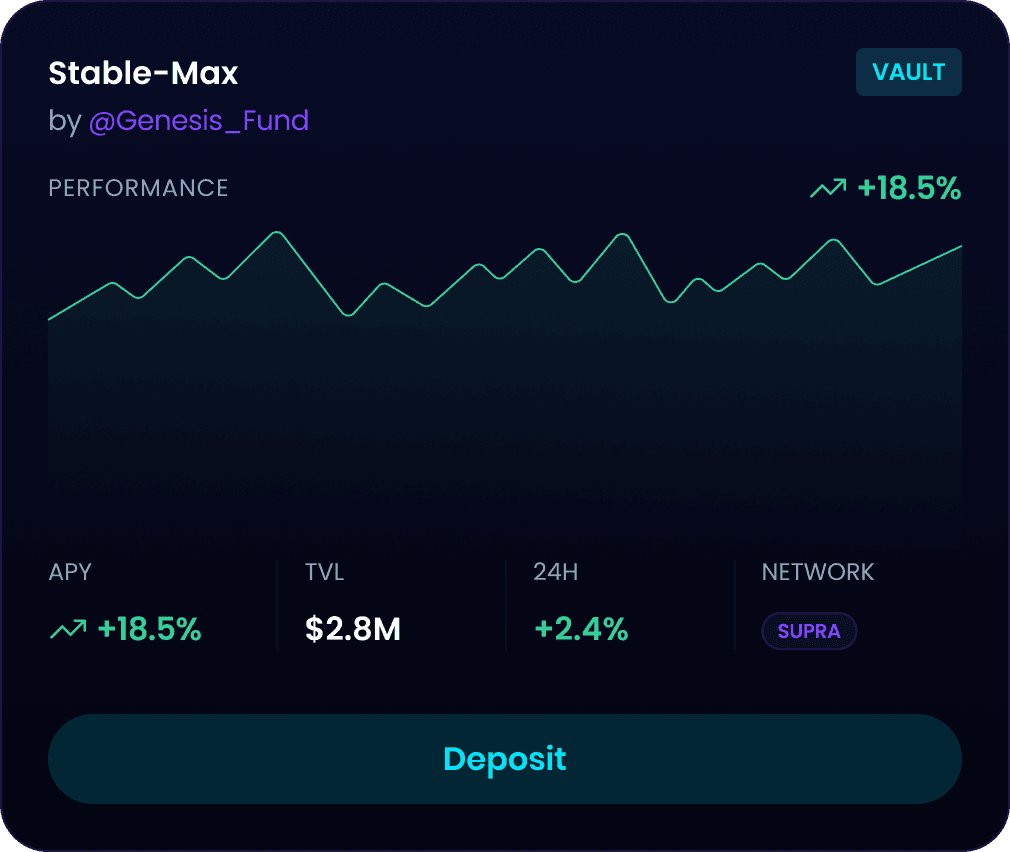
Strategy performance summaries
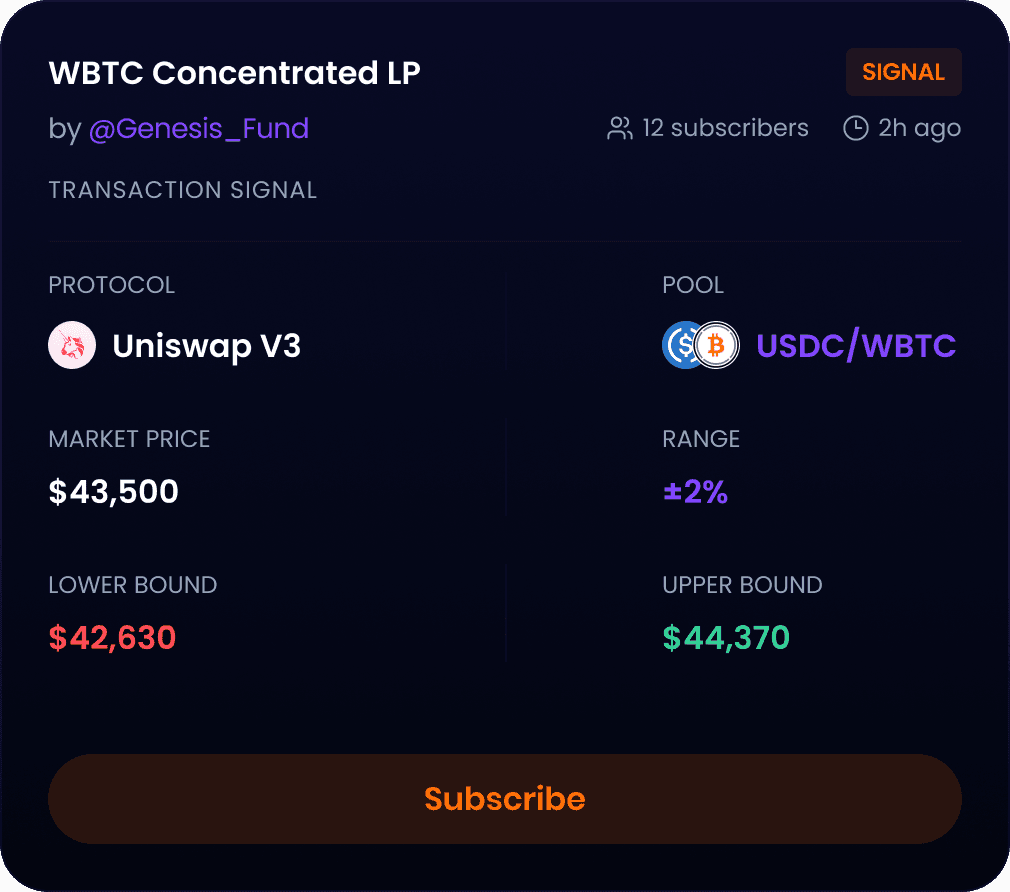
Signal timelines
Risk indicators
Social validation metrics
This reduces cognitive load and supports faster decision making.
Social Layer Design
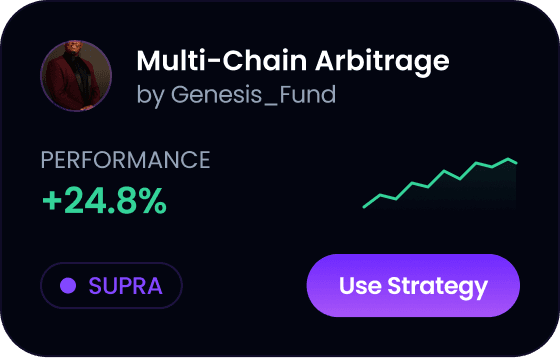
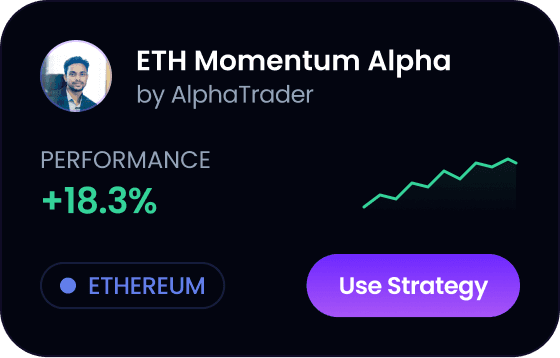
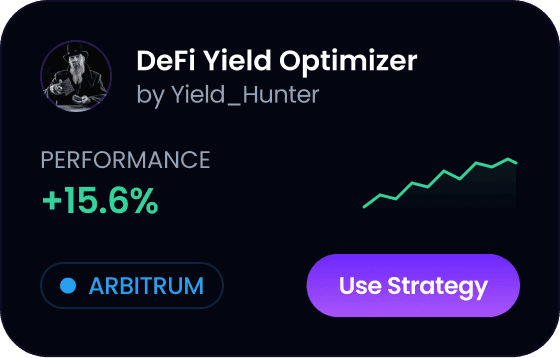
The social layer was designed to feel purposeful rather than noisy.
Features include:
Trader profiles with credibility signals
Follow and copy mechanisms
Strategy feeds
Community insights
The challenge was balancing engagement vs. distraction, ensuring the platform remains trading first.
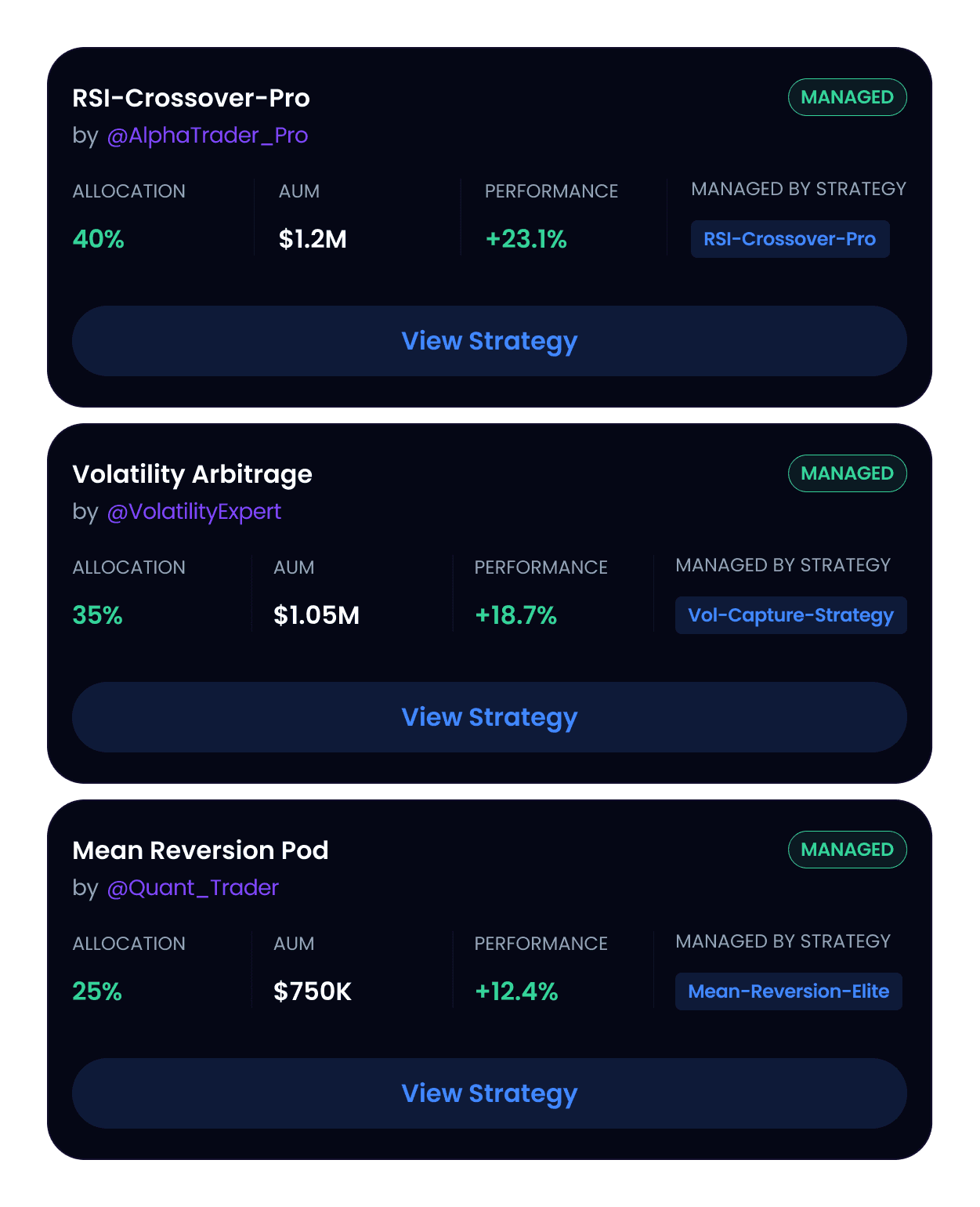
Action First Interaction
Features include:
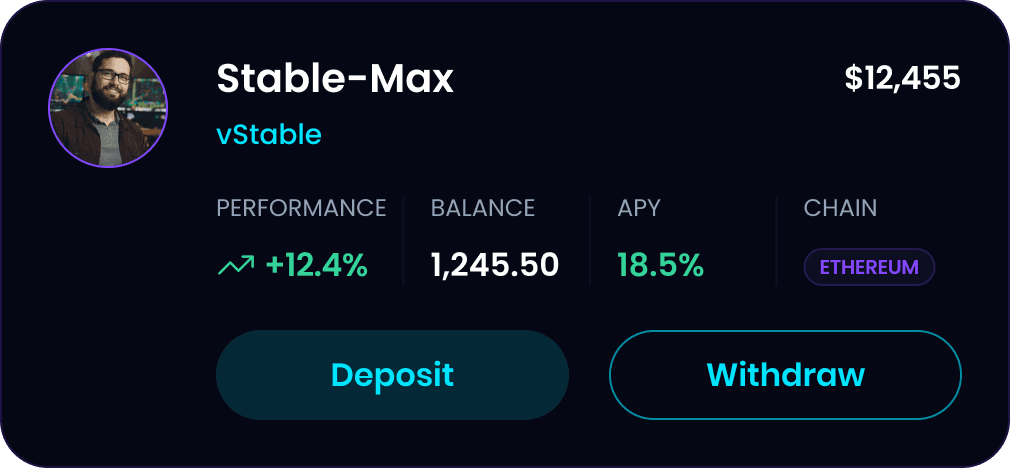
Follow strategy
Enter position
Monitor performance
were designed with clear hierarchy and strong visual affordances.
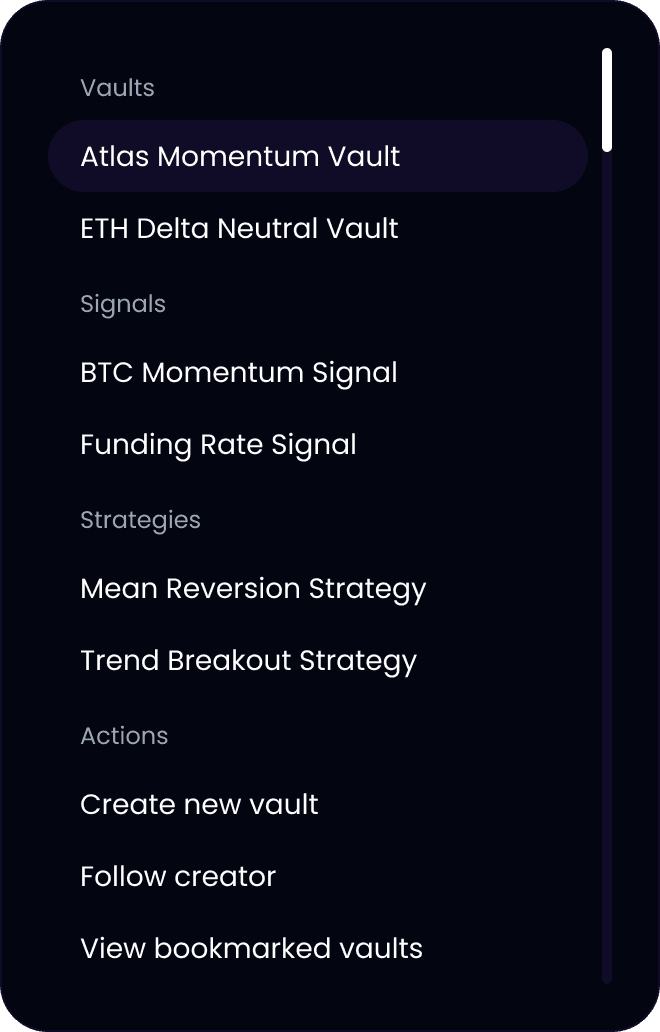
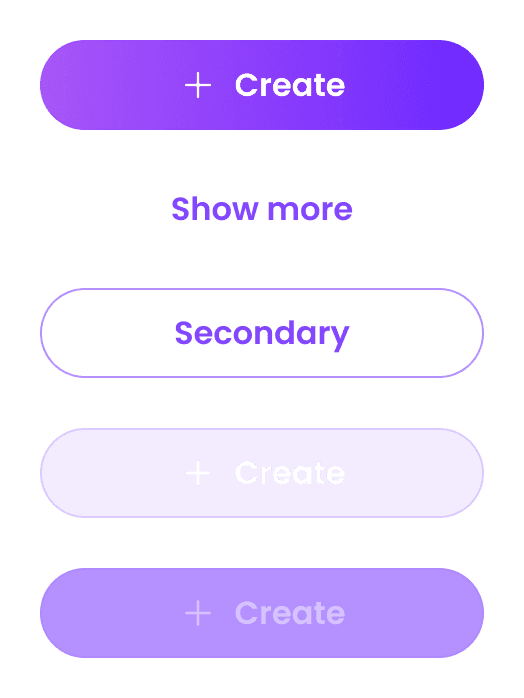
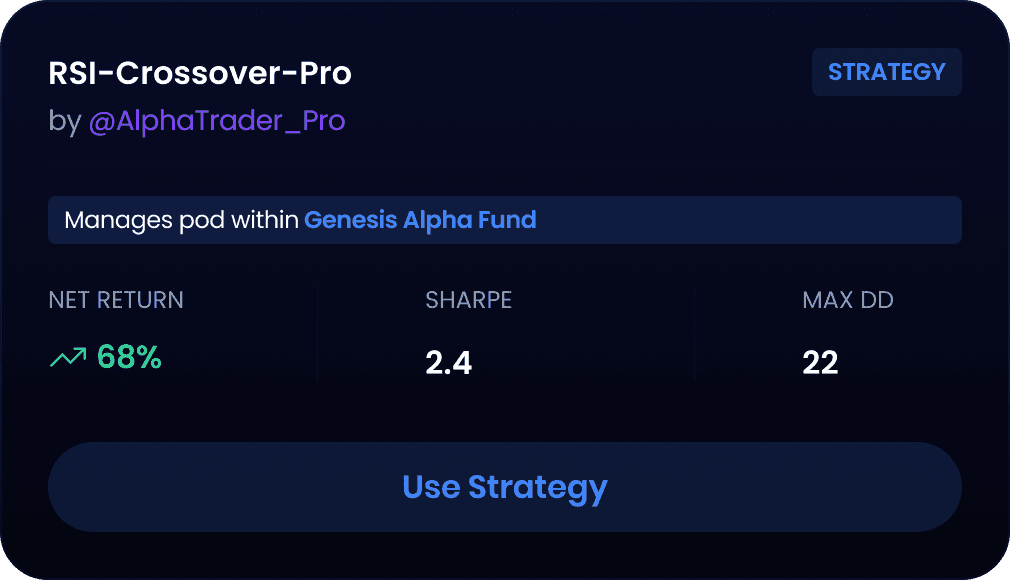
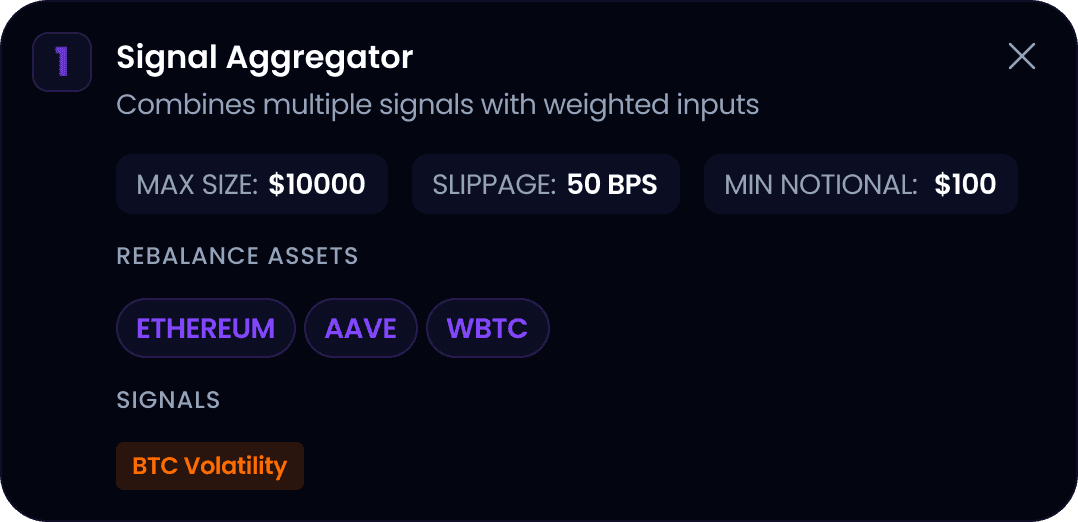
Design System
A scalable design system was created to support rapid iteration.








Vibe Coding Exploration
To accelerate prototyping, I experimented with a vibe coded workflow.


Component Structuring
Created modular and scalable components in Figma to establish a consistent foundation for layouts and interactions.
AI Assisted State Generation
Used Figma AI and Claude prompts to explore functional UI states and rapidly iterate on visual and interaction patterns.
Behavior Simulation
Simulated front end behavior, motion, and transitions to validate responsiveness and usability before development.
Interaction Validation
Tested key user flows and interaction patterns to reduce ambiguity and ensure design readiness for engineering handoff.
Product Direction & Impact
How visual strategy, design execution, and rapid prototyping shaped the product experience and future opportunities.
Visual Direction
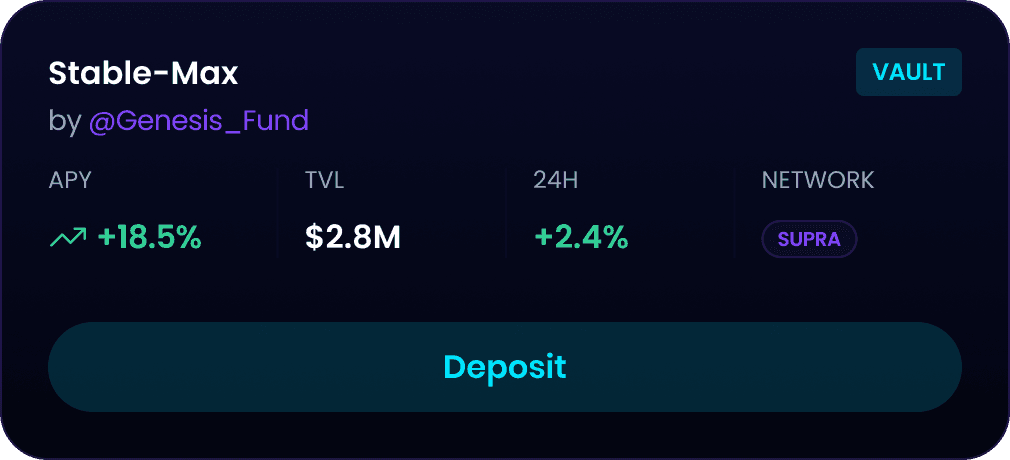
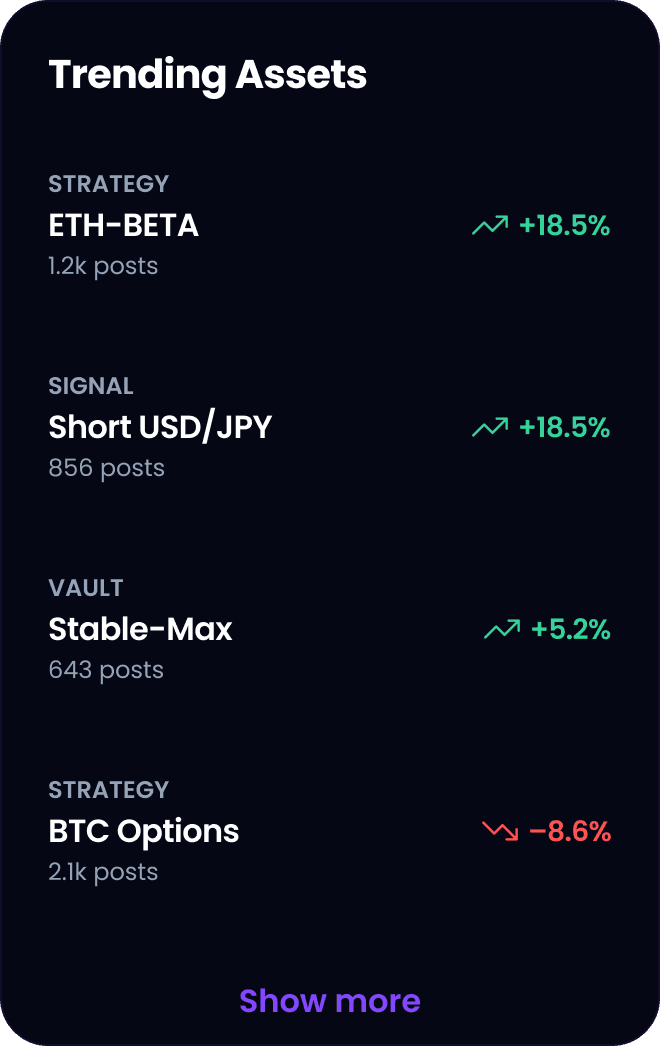
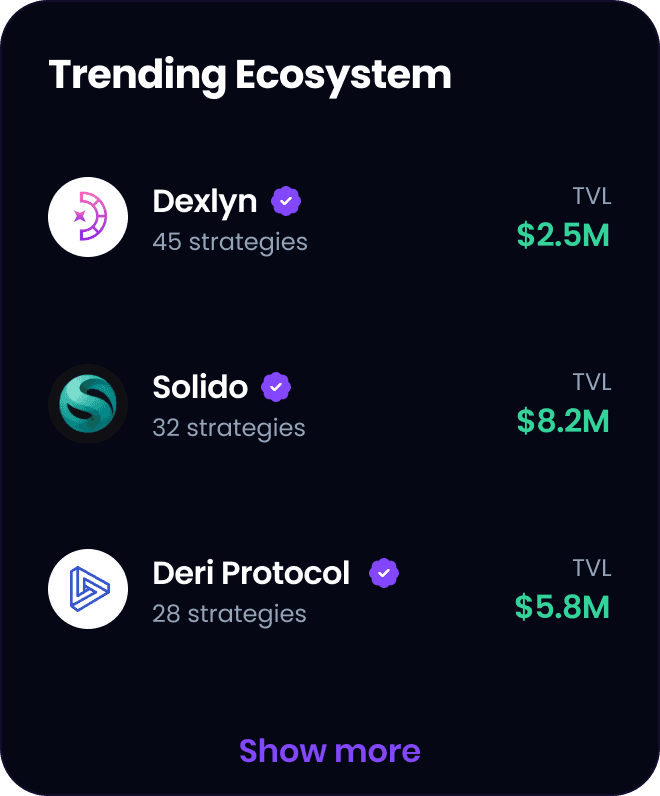
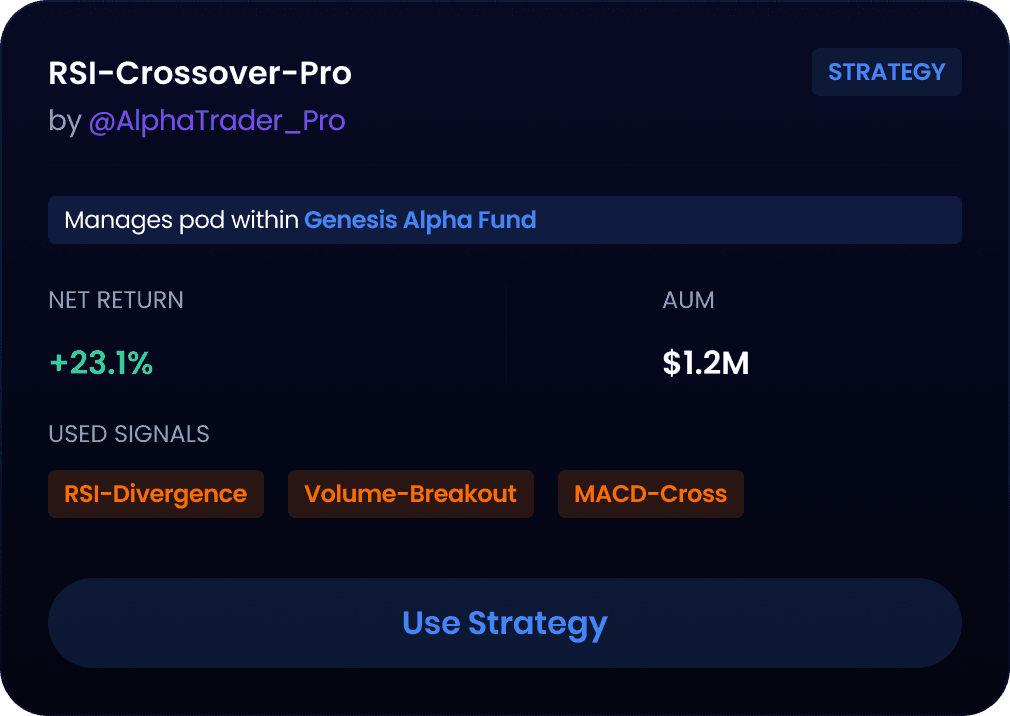
The visual design was crafted to feel premium, fast, and data intelligent while reinforcing a sense of community and trust. A dark first interface, clear hierarchy, and subtle performance highlights help users scan information quickly and act with confidence.
Key Characteristics
Card Based Structure
Performance Glow Highlights
Motion Driven Transitions
Expressive Minimal Iconography
4
Outcomes
The project resulted in a complete social trading product concept supported by a scalable design system and a functional interactive prototype. The AI assisted workflow enabled faster validation of product flows while establishing a strong foundation for future feature expansion.
Key Learnings
Designing for social trading requires balancing emotional engagement with clear risk visibility to build user trust. Strong information hierarchy improves decision confidence, while AI assisted prototyping and structured design systems significantly accelerate early stage product development.
Next Steps
Future iterations can focus on mobile first optimization, deeper portfolio analytics, and advanced strategy simulations. Opportunities also include introducing gamified learning experiences and real time collaboration features to further strengthen engagement and product value.
Reflection
This project strengthened my ability to design complex financial experiences that combine data clarity with emotional engagement. It also demonstrated the value of building scalable systems early in product development to support long term growth.